
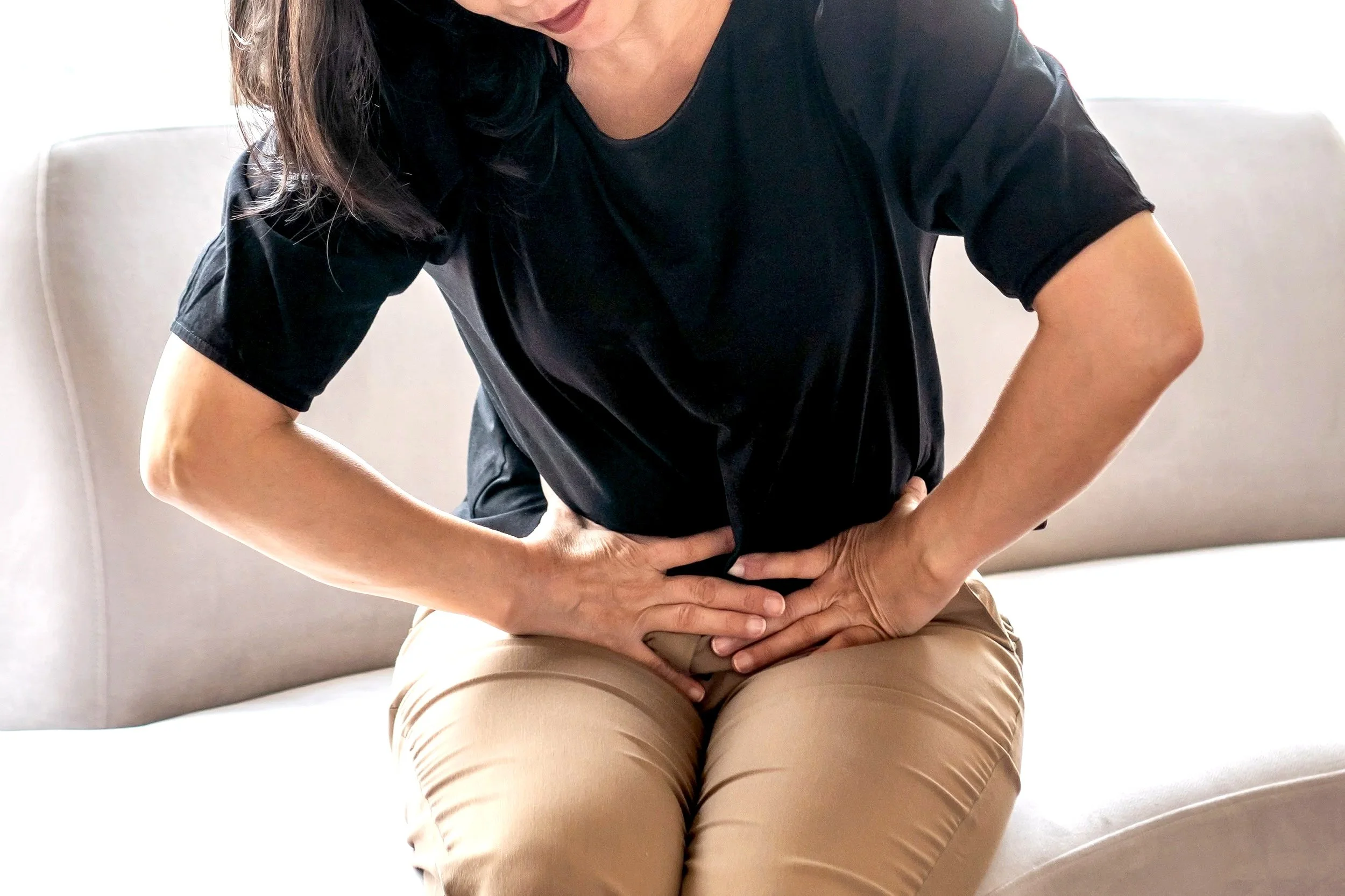
Pelvic Pain.
Understanding Pelvic Pain
Pelvic pain is a common condition affecting women of all ages and can have a significant impact on quality of life, work, relationships, physical activity, and emotional wellbeing. While occasional pelvic discomfort may occur with menstruation or ovulation, persistent or severe pelvic pain is not something that should simply be accepted as normal.
Pelvic pain can be complex and often results from a combination of factors involving the reproductive organs, bladder, bowel, pelvic floor muscles, nerves, and the body's pain processing systems. For many women, there is not a single cause but rather several contributing factors that require a holistic approach to diagnosis and treatment.
Our goal is to help women understand the possible causes of their symptoms and develop an individualised management plan that addresses the whole person, not just the pain itself.
What Causes Pelvic Pain?
There are many possible causes of pelvic pain, including:
Endometriosis
Endometriosis occurs when tissue similar to the lining of the uterus grows outside the uterus. It can cause painful periods, pain with intercourse, bowel symptoms, bladder symptoms, fatigue, and fertility difficulties.
Adenomyosis
Adenomyosis occurs when endometrial tissue grows within the muscle of the uterus. Common symptoms include heavy periods, painful periods, pelvic pressure, and chronic pelvic pain.
Fibroids
Fibroids are benign growths within the uterus that may contribute to pelvic pressure, heavy menstrual bleeding, bladder symptoms, and pelvic discomfort.
Ovarian Cysts
Some ovarian cysts cause no symptoms, while others can cause pelvic pain, bloating, pressure symptoms, or pain during ovulation.
Pelvic Floor Muscle Dysfunction
Many women with chronic pelvic pain develop increased tension and spasm within the pelvic floor muscles. This can contribute to pelvic pain, pain with intercourse, bladder symptoms, bowel symptoms, and difficulty relaxing the pelvic muscles.
Bladder Conditions
Conditions such as bladder pain syndrome (interstitial cystitis) can cause pelvic pain, urinary urgency, frequency, and discomfort associated with bladder filling.
Bowel Disorders
Irritable bowel syndrome (IBS), constipation, inflammatory bowel disease, and other gastrointestinal conditions can contribute significantly to pelvic pain.
Persistent Pain Syndromes
Sometimes pain continues even after the original trigger has improved. This occurs because the nervous system becomes more sensitive over time, a process known as central sensitisation. In these situations, a multidisciplinary approach is often most effective.
Why Is Pelvic Pain Often Complex?
Pain is not simply a signal from one area of the body. Over time, ongoing pain can affect the nervous system, leading to increased sensitivity and amplification of pain signals.
For this reason, successful treatment often involves addressing multiple contributors including:
Underlying gynaecological conditions
Pelvic floor muscle dysfunction
Bowel and bladder health
Lifestyle factors
Sleep and stress
Physical activity
Mental health and wellbeing
Pain processing within the nervous system
Pelvic Floor Physiotherapy
Pelvic floor physiotherapy is one of the most important components of treatment for many women with pelvic pain.
Specialist pelvic health physiotherapists can assess the muscles, connective tissues, and movement patterns of the pelvis. Treatment may include:
Pelvic floor relaxation techniques
Breathing and down-training exercises
Manual therapy
Stretching and mobility programmes
Education about pain mechanisms
Strategies to reduce pain during intercourse
Return-to-exercise programmes
Many women are surprised to learn that pelvic floor muscle tension can be both a consequence and a cause of pelvic pain. Addressing these muscles often forms a key part of recovery.
Nutrition and Pelvic Pain
Diet can influence inflammation, bowel symptoms, and overall wellbeing.
Anti-Inflammatory Eating
Many women benefit from a balanced anti-inflammatory eating pattern that emphasises:
Vegetables and fruit
Whole grains
Legumes
Nuts and seeds
Olive oil
Oily fish rich in omega-3 fatty acids
Minimally processed foods
While diet alone is unlikely to cure pelvic pain, it may help reduce symptom severity and support overall health.
Low FODMAP Diet
For women who experience bloating, abdominal discomfort, constipation, diarrhoea, or symptoms suggestive of irritable bowel syndrome, a low FODMAP diet may be helpful.
The low FODMAP diet is a structured dietary approach developed by Monash University that temporarily reduces certain fermentable carbohydrates known to trigger gastrointestinal symptoms in some people.
Because the diet can be restrictive, I generally recommend undertaking it under the guidance of an accredited dietitian.
Learn more about the Low FODMAP Diet:
https://www.monashfodmap.com
Medications and Pain Relief
Pain management should be tailored to each individual.
Depending on the underlying cause, treatment may include:
Paracetamol
Non-steroidal anti-inflammatory medications (NSAIDs)
Hormonal therapies
Medications targeting nerve-related pain
Treatments directed at specific conditions such as endometriosis or adenomyosis
Medication is often most effective when combined with physiotherapy, lifestyle measures, and treatment of underlying conditions.
Psychology and Pain
Chronic pain affects more than just the body.
Living with persistent pain can impact mood, sleep, relationships, work, and daily functioning. Stress and anxiety can also increase pain sensitivity through complex interactions within the nervous system.
Psychologists with expertise in chronic pain can provide practical strategies to help manage symptoms and improve quality of life. Approaches may include:
Cognitive behavioural therapy (CBT)
Acceptance and commitment therapy (ACT)
Mindfulness-based approaches
Pain education
Stress management techniques
Psychological support does not mean the pain is "all in your head." Rather, it recognises that the brain and nervous system play an important role in how pain is experienced.
Pain Specialists
Some women benefit from review by a pain specialist, particularly when pain has persisted for many months or years.
Pain specialists can assist with:
Complex medication management
Pain education
Multidisciplinary treatment planning
Interventional procedures where appropriate
Strategies to improve function and quality of life
For women with persistent pelvic pain, collaboration between gynaecologists, physiotherapists, psychologists, pain specialists, and dietitians often produces the best outcomes.
When should I seek help?
You should consider seeking medical review if:
pelvic pain is regularly affecting your work, study, exercise, relationships or daily activities
period pain is severe or not improving with simple measures such as heat packs or over-the-counter pain relief
you experience pain during sex, bowel motions or urination
you have persistent bloating, bowel symptoms or bladder symptoms associated with pelvic pain
pelvic pain is becoming more frequent or worsening over time
you have been trying to conceive for 6–12 months (earlier if you are older than 35 or have known reproductive health conditions)
you have ongoing pelvic pain despite previous treatment or surgery
How we can help
As a Specialist Obstetrician and Gynaecologist with a particular interest in endometriosis, pelvic pain and advanced laparoscopic surgery, Anna's role is to:
listen carefully to your symptoms, concerns and goals
undertake a comprehensive assessment to identify possible contributors to your pain
arrange appropriate investigations and imaging where required
develop an individualised management plan that may include medical treatment, surgery, pelvic floor physiotherapy, dietary strategies and other allied health support
coordinate care with your GP, physiotherapist, pain specialist, psychologist, fertility specialist or other healthcare providers when appropriate
provide ongoing support, recognising that pelvic pain is often multifactorial and may require a multidisciplinary approach
If you are experiencing pelvic pain or would like a better understanding of your symptoms, you are welcome to discuss a referral with your GP or contact the rooms for further information.
Helpful links
-
Pelvic Pain Foundation Australia
WEBSITE
-
Endometriosis New Zealand
WEBSITE
-
Endometriosis and Pelvic Pain by Dr Susan Evans
E-BOOK
-
The Endometriosis Podcast
PODCAST
-
The language of pelvic pain with Dr Susan Evans
PODCAST
-
Like Mind, Like Body
PODCAST
-
The Pelvic Pain Playbook
BLOG
-
Pelvic Pain: More Than Just Period Pain
BLOG
-
Endometriosis Resource
WEB PAGE
-
Monash University Low-FODMAP diet
WEBSITE
-
The Surgical Recovery Playbook
BLOG