
Fertility.
Fertility refers to the ability to conceive a pregnancy. Around one in six couples experience fertility difficulties at some point, making infertility one of the most common health challenges affecting people of reproductive age. While the journey can be emotional and overwhelming, many causes of infertility are treatable and early assessment often provides the best opportunity to optimise fertility and explore appropriate treatment options.
What Is Infertility?
Infertility is defined as:
Not achieving pregnancy after 12 months of regular unprotected intercourse (or 6 months if the woman is over 35 years).
It may be female-factor, male-factor, or a combination, and in some cases no clear cause is found (unexplained infertility).
Optimising Natural Fertility
For many couples, simple measures can improve the chance of conception.
Understanding Your Fertile Window
Pregnancy can only occur if sperm and egg meet during a relatively short fertile window.
Ovulation typically occurs around 14 days before the next menstrual period. The most fertile days are generally the day of ovulation and the two days beforehand.
Many women use:
menstrual cycle tracking
ovulation predictor kits
fertility awareness apps
to better understand their cycle and identify their fertile window.
Timing Intercourse
Regular intercourse every 2–3 days throughout the cycle is often the simplest and most effective approach.
For women tracking ovulation, intercourse during the fertile window may further increase the chance of conception.
Lifestyle Factors
Lifestyle factors can play an important role in reproductive health.
Consider:
taking folic acid supplementation
maintaining a healthy weight
regular exercise
avoiding smoking and vaping
limiting alcohol intake
optimising sleep and stress management
While lifestyle changes cannot overcome all fertility challenges, they can support overall reproductive health and pregnancy outcomes.
Causes of Infertility
Female Factors
Ovulation problems (eg. Polyendocrine Metabolic Ovarian syndrome (PMOS), thyroid disorders)
Endometriosis
Tubal blockage or damage (eg. previous pelvic infection, surgery, adhesions)
Fibroids, particularly those affecting the uterine cavity
Low ovarian reserve or age-related egg decline
Uterine abnormalities such as polyps, septum, or scarring
Male Factors
Low sperm count
Poor sperm motility (movement)
Abnormal sperm shape
Blockages in the reproductive tract
Lifestyle factors (smoking, heat exposure, excessive alcohol, certain medications)
Combined or Unexplained
In around 20–30% of couples, both partners have contributing factors.
Unexplained infertility is diagnosed when all investigations are normal but pregnancy is still not achieved.
Fertility Investigations and Assessment
A thorough assessment helps identify the cause and determine the best next steps.
Female Fertility Assessment
Ovulation tracking: menstrual history, blood tests (AMH, day-2 FSH/LH/oestrogen, progesterone, prolactin, thyroid functions)
Pelvic ultrasound: checks ovarian reserve (antral follicle count), uterus, endometrium, and detects conditions like fibroids or endometriosis
Tubal assessment (tubal dye study)
Cervical screening if due
Additional hormonal tests (thyroid, prolactin) if indicated
Male Fertility Assessment
Semen analysis to evaluate sperm count, motility, and morphology
Repeat testing may be recommended if the first sample is abnormal
In some cases, additional tests or referral to a male fertility specialist or urologist may be suggested
Surgical Procedures Used in Fertility Assessment and Management
Tubal Dye Study (HyCoSy, HSG or laparoscopy)
A procedure that uses dye and ultrasound (HyCoSy) or X-ray (HSG) to check whether the fallopian tubes are open.
Tubal dye study at the time of laparoscopy.
Helpful for diagnosing blockages or tubal damage.
Hysteroscopy
A small camera passed through the cervix to assess the uterine cavity.
Can diagnose and treat polyps, septum, submucosal fibroids, and scarring, which may affect implantation.
Often performed as a minor outpatient procedure.
Laparoscopy
Keyhole surgery to assess the pelvis, treat endometriosis, release adhesions, or remove fibroids affecting fertility.
Also used to confirm tubal patency by injecting dye during the procedure.
Offers both diagnosis and treatment in one operation.
These procedures can improve natural fertility and optimise outcomes before assisted reproduction.
When Referral to a Fertility Specialist Is Recommended
You may benefit from referral to a fertility specialist if:
You have been trying to conceive for 12 months (or 6 months if >35 years)
There are known factors such as endometriosis, PMOS (PCOS), fibroids, or tubal blockage
Semen analysis is abnormal
Your AMH is low or cycles are very irregular
You require assisted reproductive technology (IUI, IVF, or ICSI)
Fertility specialists offer advanced care within a multidisciplinary team, including reproductive endocrinologists, andrologists, nurses, embryologists, counsellors, and genetic specialists.
Fertility Treatment Options
Not every couple experiencing infertility requires IVF.
Treatment recommendations depend on the underlying cause of infertility, age, ovarian reserve, semen analysis and reproductive goals.
Ovulation Induction
Ovulation induction is commonly used for women who do not ovulate regularly, including some women with PMOS.
Medications such as letrozole or clomiphene can stimulate ovulation and increase the chance of pregnancy.
Intrauterine Insemination (IUI)
IUI involves placing prepared sperm directly into the uterus around the time of ovulation.
It may be considered in selected situations including:
unexplained infertility
mild male factor infertility
use of donor sperm
IUI is less invasive and less expensive than IVF, although success rates are generally lower.
In Vitro Fertilisation (IVF)
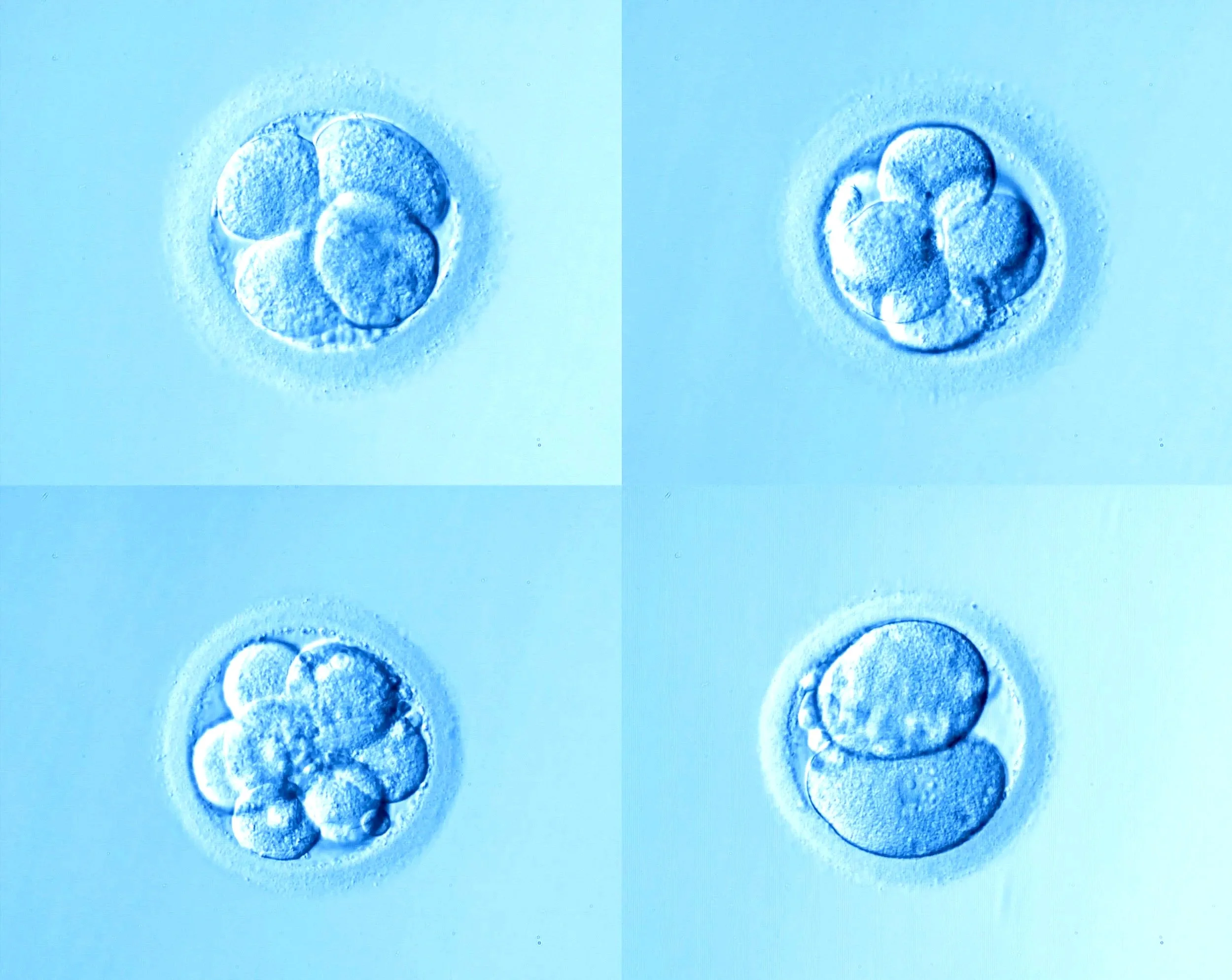
IVF involves stimulating the ovaries to produce multiple eggs, retrieving those eggs from the ovaries and fertilising them in the laboratory.
The resulting embryo is then transferred into the uterus.
IVF may be recommended for:
tubal infertility
severe endometriosis
prolonged unexplained infertility
advanced maternal age
diminished ovarian reserve
male factor infertility
Intracytoplasmic Sperm Injection (ICSI)
ICSI is a specialised form of IVF where a single sperm is injected directly into an egg.
ICSI is commonly used when there are significant sperm-related fertility issues or previous fertilisation difficulties.
When Should I Seek Help?
You should consider seeking medical review if:
you have been trying to conceive for 12 months (or 6 months if you are over 35 years)
your periods are irregular or absent
you have known endometriosis, PMOS, fibroids or adenomyosis
you have experienced recurrent miscarriage
you have previously had pelvic infection or tubal surgery
your partner has known fertility concerns
Early assessment can help identify factors affecting fertility and provide reassurance or treatment where needed.
How We Can Help
As a gynaecologist with a special interest in reproductive endocrinology, fertility and endometriosis, Anna's role is to:
listen carefully to your concerns and reproductive goals
arrange appropriate fertility investigations
assess factors affecting fertility, including ovulation, ovarian reserve and pelvic health
manage conditions such as endometriosis, PMOS and fibroids that may impact fertility
discuss treatment options and fertility preservation where appropriate
coordinate care with fertility specialists and allied health professionals
Whether you are just starting to think about pregnancy or have been trying to conceive for some time, support and treatment options are available.