
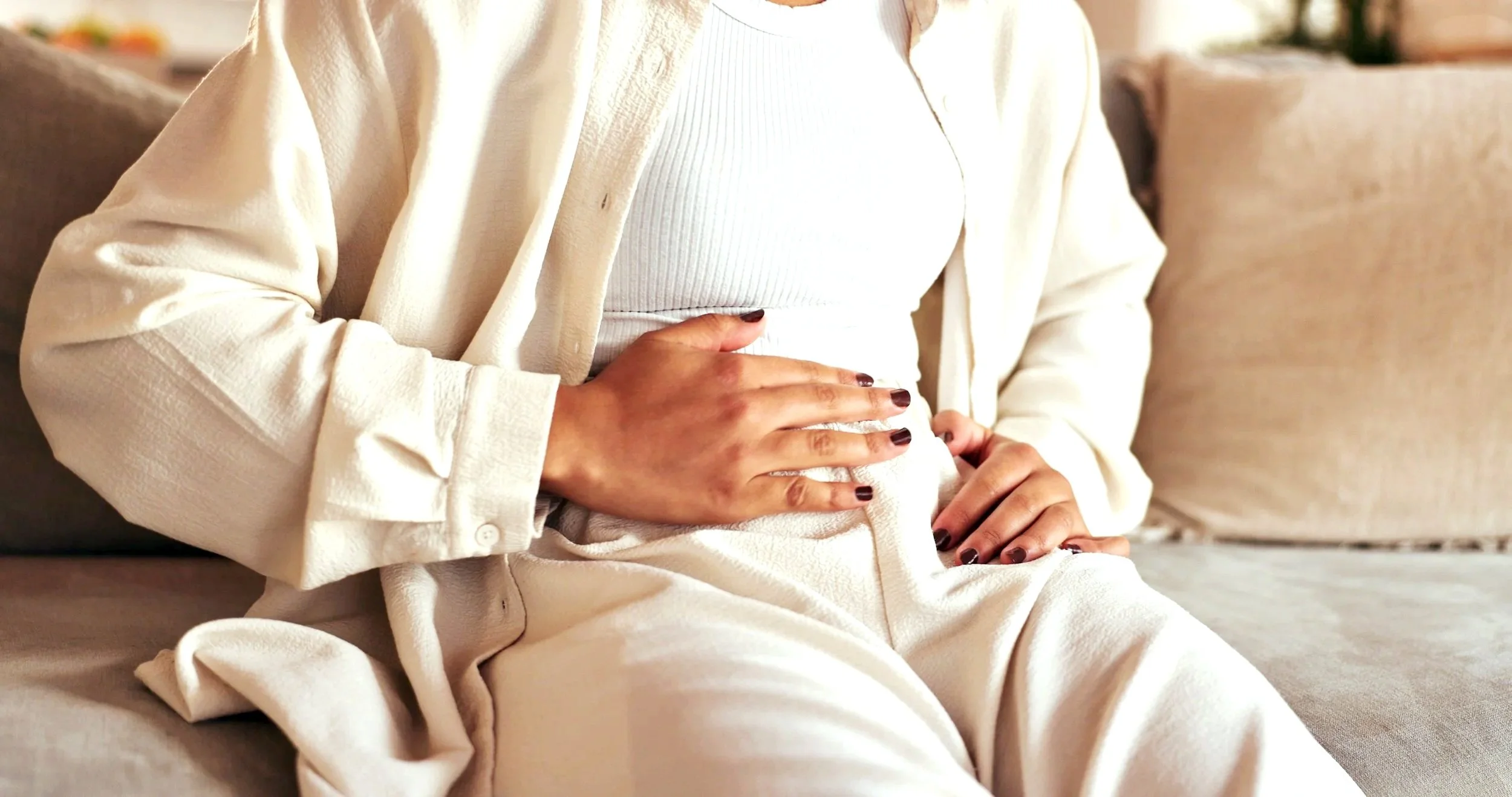
Endometriosis and pelvic pain.
Endometriosis is a chronic inflammatory condition that affects people in their reproductive years. It occurs when tissue similar to the lining of the uterus (endometrium) is found outside the uterus, most commonly in the pelvis (on the ovaries, fallopian tubes, bowel, bladder and pelvic walls).
These deposits can cause inflammation, scarring, adhesions and sometimes cysts (endometriomas), which can lead to pelvic pain and difficulty getting pregnant.
Symptoms
Endometriosis can cause a wide range of symptoms. Some people have very severe disease with almost no pain, and others have significant symptoms with only small areas of endometriosis.
Common symptoms include:
Severe period pain, often starting in the days before bleeding and lasting through the period
Pelvic pain between periods
Painful intercourse (deep pelvic pain with sex)
Painful bowel motions, especially during periods
Painful urination around the time of your period
Bloating or “endo belly”
Heavy or irregular periods
Fatigue, low mood, anxiety or sleep disturbance related to chronic pain
Difficulty getting pregnant (subfertility or infertility)
If these symptoms sound familiar, it’s important to know you are not alone and that effective treatment options are available.
How common is endometriosis?
Endometriosis is common. It is estimated to affect around 1 in 10 people assigned female at birth or 10% of those in their reproductive years worldwide.
Because symptoms are often normalised (“bad periods”), many people experience delays in diagnosis and treatment. A key aim of Anna’s practice is to reduce that delay and provide clear, evidence-based information and care.
What causes endometriosis?
Endometriosis is a hormone-sensitive condition. It is driven by oestrogen, so it can start from the first period (menarche) and usually improves after menopause.
The exact cause is still not fully understood. Several factors are thought to play a role:
Retrograde menstruation – menstrual blood and endometrial cells flowing backwards through the fallopian tubes into the pelvis
Genetic factors – endometriosis is more common if you have a close relative with the condition
Immune and inflammatory factors – differences in how the immune system recognises and clears endometrial cells
Environmental and hormonal factors – which may influence how the disease develops
Most likely, endometriosis occurs due to a combination of these factors rather than a single cause.
Diagnosis
Diagnosis starts with a careful history and examination. Helpful tests can include:
Pelvic examination – to assess for tenderness, nodules or reduced mobility of the uterus
Pelvic ultrasound – particularly transvaginal ultrasound performed by an experienced sonologist. Deep infiltrating endometriosis involving the bowel, bladder, uterosacral ligaments or rectovaginal septum can often be identified on high-quality imaging.
MRI scan – sometimes used to further map or clarify deep disease when planning surgery.
Superficial peritoneal endometriosis, however, is not reliably seen on ultrasound or MRI, which is why these cases often require a aparoscopy for definitive diagnosis.
A laparoscopy (keyhole surgery) remains the only way to directly visualise endometriosis and to accurately assess the extent and severity of disease. During the same procedure, endometriosis can be surgically excised.
Staging and classification
Endometriosis can be described using several classification systems. One of the most commonly used is the revised American Society for Reproductive Medicine (rASRM) staging system, which grades disease from Stage I (minimal) to Stage IV (severe) based on the amount and location of disease and the degree of scarring.
It is important to know that:
Stage does not always correlate with pain.
Some people with Stage I disease have severe pain.
Others with Stage IV disease may have little or no pain.
For this reason, treatment is guided by your symptoms, goals (especially fertility goals), and overall health, rather than stage alone.
Management of endometriosis
Endometriosis is a long-term (chronic) condition. Management is usually multidisciplinary, and treatment is individualised depending on your symptoms, whether you are trying to conceive, and your personal preferences.
Broadly, treatment options include:
Medical (hormonal) management
Hormonal treatments aim to reduce or switch off periods and suppress endometriosis activity, lowering inflammation and pain. Options include:
Combined oral contraceptive pill (COCP) – taken continuously or cyclically to reduce period pain and bleeding
Progesterone-only options – such as the progestogen-only pill, or other progestin medications
Hormonal intrauterine device (Mirena IUS) – provides local progestogen within the uterus and pelvis, reducing bleeding and cramps and often helping pelvic pain
GnRH analogues and antagonists/anti-oestrogen therapies – medications that create a temporary “medical menopause” or reduce the effect of oestrogen on endometriosis; often used with “add-back” therapy to minimise side effects
These treatments do not remove existing endometriosis deposits but can significantly improve symptoms and help prevent progression or recurrence after surgery.
Surgical management
Surgery is usually performed laparoscopically (keyhole surgery) and has two main goals:
Diagnosis and mapping of disease, and
Excision (cutting out) of endometriosis wherever safely possible.
Anna focuses on laparoscopic excision surgery, which involves carefully dissecting and removing endometriosis lesions, scar tissue, adhesions and ovarian cysts.
Key points:
Excision is often preferred over simple “burning” (ablation), especially for deep disease, because it allows more complete removal of lesions and better assessment of underlying structures.
Endometriosis frequently involves important pelvic structures such as the bowel, ureters, bladder, uterosacral ligaments and pelvic nerves. Safe surgery in these areas requires advanced laparoscopic skills and, for some cases, collaboration with colorectal and urology colleagues.
The aim is to perform a thorough, meticulous first surgery where appropriate, and then use medical and allied health treatments to maintain symptom control and reduce the need for repeat operations.
Repeat laparoscopy is considered if:
there is severe pain that does not respond to medical and allied health management, and/or
there are ongoing fertility concerns, after looking carefully at age, ovarian (egg) reserve, partner factors and prior treatments.
Surgical decisions are always made together with you, after detailed discussion of risks, benefits and alternatives.
Multidisciplinary, allied health and holistic care
Because endometriosis affects more than just the pelvis, a team approach often provides the best results. This may include:
Pelvic floor physiotherapy – many people with endometriosis develop pelvic floor muscle overactivity, spasm and pain with intercourse or examination. A pelvic physiotherapist can help with muscle relaxation, positioning, stretches and strategies to reduce pain.
Dietitian / nutrition support – some people find that certain foods worsen bloating or pain. A dietitian can help you explore an anti-inflammatory eating pattern and identify triggers in a safe, balanced way.
Psychological support – chronic pain, fatigue, fertility concerns and the impact on work, study and relationships can be overwhelming. Working with a psychologist or counsellor experienced in chronic illness and pelvic pain can be very helpful.
Pain specialists and other therapies – for some, medications for nerve-related pain, mindfulness-based approaches, acupuncture or other modalities may be part of a broader plan.
Anna work closely with trusted pelvic physiotherapists, dietitians, psychologists and other specialists with experience in endometriosis, so that your care is coordinated and joined-up rather than fragmented.
Endometriosis and fertility
Endometriosis can make it harder to conceive, particularly when:
there are endometriomas (ovarian cysts) affecting egg reserve
there is significant scarring around the tubes and ovaries
pain leads to reduced sexual activity
Management is tailored to your age, ovarian (egg) reserve, how long you have been trying to conceive and whether there are other fertility factors. Options may include:
optimising timing of intercourse
laparoscopic surgery to treat endometriosis and restore pelvic anatomy
assisted reproductive treatments (e.g. IVF) in collaboration with fertility specialists
When should I seek help?
You should consider seeking medical review if:
period pain regularly stops you from going to school, work or usual activities
pain during sex, bowel motions or urination is persistent or worsening
you have been trying to conceive for 6–12 months (earlier if you are older than 35 or have severe symptoms)
you have ongoing pelvic pain that is not improving with simple measures
How we can help
As a gynaecologist with a special interest in endometriosis and advanced laparoscopic surgery, Anna’s role is to:
listen carefully to your symptoms and priorities
arrange appropriate investigations and imaging
develop an individualised treatment plan – medical, surgical and allied health
coordinate care with other specialists and your GP
support you over time, recognising that endometriosis is a chronic condition that often requires ongoing adjustment of treatment
If you suspect you may have endometriosis, or you have a diagnosis and are unsure about next steps, you are welcome to discuss a referral with your GP or contact the rooms for further information.
Helpful links
-
Pelvic Pain Foundation Australia
WEBSITE
-
Endometriosis New Zealand
WEBSITE
-
Endometriosis and Pelvic Pain by Dr Susan Evans
E-BOOK
-
"Explain Pain"
PODCAST
-
RANZCOG Endometriosis
PATIENT INFORMATION
-
ESHRE Endometriosis Guideline
PATIENT SUMMARY