
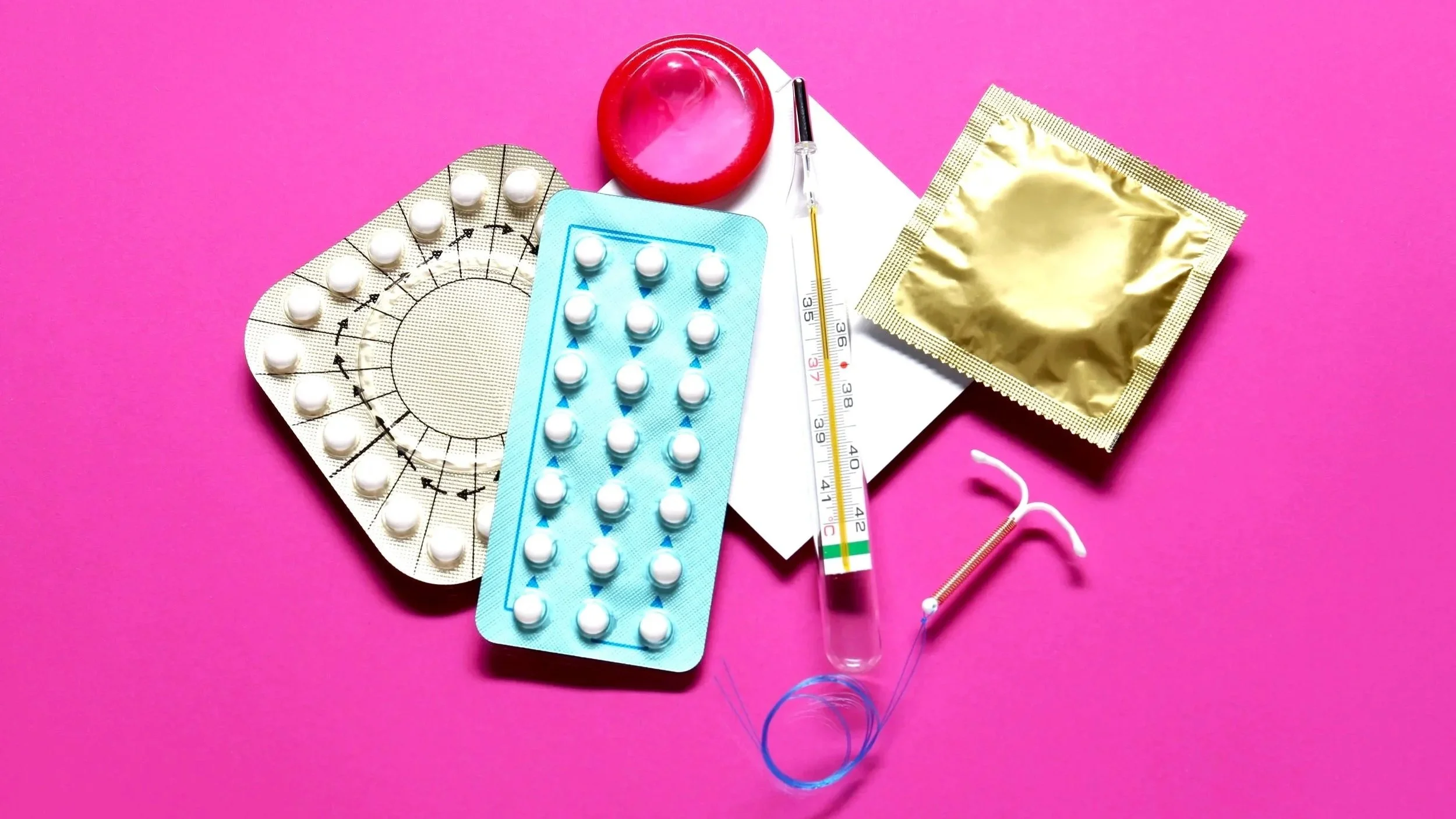
Contraception.
Choosing the right contraceptive option is an important part of reproductive health. There are many safe and effective methods available, ranging from daily medications to long-acting reversible contraception (LARC) and permanent surgical options.
Your choice will depend on your lifestyle, medical history, and future fertility plans.
Types of Contraception
Medication (Short-Acting Contraception)
These methods rely on taking medication regularly to prevent pregnancy.
Combined Oral Contraceptive Pill (“The Pill”)
Contains oestrogen and progesterone
Regulates periods, reduces bleeding and pain
Also improves acne and PMS symptoms
Must be taken daily for best effectiveness
Progesterone-Only Pill (“Mini Pill”)
Suitable for women who cannot take oestrogen
Safe while breastfeeding
Must be taken at the same time every day
Depo-Provera Injection
A progesterone injection given every 12 weeks
Very effective
Can cause irregular bleeding initially
Periods and fertility may take several months to return after stopping
Long-Acting Reversible Contraception (LARC)
These are the most effective reversible options. Once inserted, they provide long-term contraception without needing daily action.
Mirena® (Levonorgestrel Intrauterine System)
Lasts up to 5 years
Reduces bleeding by up to 90%
Commonly used to treat heavy periods, adenomyosis, and endometrial protection
Suitable for most women, including those who have not had children
Kyleena® IUS
Slightly smaller version of Mirena®
Lasts up to 5 years
Releases a lower dose of hormone
Copper IUD
Hormone-free option
Lasts 5–10 years
Can make periods heavier or more painful in some women
Provides effective emergency contraception if inserted within 5 days of unprotected sex
Implant (Jadelle®)
A small rod placed under the skin of the upper arm
Lasts 5 years depending on the type
Very effective
May cause irregular bleeding but generally well tolerated
Permanent Contraception (Surgical Options)
A suitable option for women who are certain they do not want future pregnancy.
Bilateral Salpingectomy (Permanent Sterilisation)
Surgical removal of both fallopian tubes
Over 99% effective
Can be performed laparoscopically (keyhole surgery)
Also reduces the future risk of ovarian cancer
Not reversible, so careful consideration and counselling are essential
How to Choose the Right Method
When selecting contraception, it helps to consider:
How effective you need the method to be
Whether you prefer hormonal or non-hormonal options
How often you want to think about contraception
Your plans for future pregnancy
Your medical history, including migraines, blood pressure, or risk of clots
Period symptoms such as heavy bleeding or pain
Together, we can discuss the benefits and possible side effects of each option to help you make an informed choice.
When should I seek help?
You should seek medical advice if you experience:
Persistent pelvic pain
Heavy or abnormal bleeding after starting a new method
Symptoms of infection after an IUD insertion
A positive pregnancy test while using contraception
Side effects that affect your wellbeing or daily life
How We Can Help
We offer comprehensive contraception counselling tailored to your lifestyle, health needs, and reproductive goals. This includes discussion of all medical, LARC, and surgical options, along with onsite insertion of Mirena®, Kyleena®, copper IUDs, and contraceptive implants.
Anna has additional surgical training in advanced laparoscopic gynaecological surgery, including laparoscopic bilateral salpingectomy for permanent contraception, offering patients minimally invasive options with faster recovery, less pain, and smaller scars.
We work with you to ensure you feel informed, supported, and confident in your contraceptive choice.
Helpful links
-
Te Whatu Ora Contraception
WEBSITE
-
RANZCOG Contraception
PATIENT INFORMATION
-
Sexual Wellbeing Aotearoa
PATIENT INFORMATION
-
Bayer LARC
WEBSITE
-
The Royal Women's Hospital Contraception Choices
PATIENT INFORMATION
-
Healthify Contraception
WEBSITE